
Log In
Sign Up

African Wildlife Foundation
Securing a Sustainable Future for Africa's Wildlife and Wildlands
About Us
Overview
The African Wildlife Foundation (AWF) is a premier conservation organization dedicated to the protection of Africa’s wildlife and wildlands. Founded in 1961, AWF has been at the forefront of wildlife conservation for over six decades, championing the cause of Africa’s rich biodiversity. With a mission to ensure that wildlife and wildlands thrive in harmony with human development, AWF has evolved into a leading authority in the field of conservation, employing innovative strategies that integrate community needs with wildlife preservation. Its vision is a world where wildlife and people coexist, and where Africa’s natural resources are managed sustainably for future generations.
AWF operates across various regions in Africa, focusing on critical ecosystems that are essential for the survival of numerous species. The organization has established a robust presence in countries like Kenya, Tanzania, and Uganda, where it collaborates with local communities, governments, and other stakeholders to implement conservation initiatives. AWF’s impact is profound, as it not only protects endangered species such as elephants, rhinos, and lions but also empowers local communities through education, sustainable livelihoods, and conservation tourism. With a dedicated team of experts and a network of partners, AWF continues to lead transformative projects that address the challenges facing Africa’s wildlife.
📌 Company Fact Sheet
- Founding Year: 1961
- Estimated Company Size (Headcount): 100-200 employees
- Main Business Sectors: Conservation, Wildlife Protection, Community Development
🌍 Key Countries of Operation (Africa)
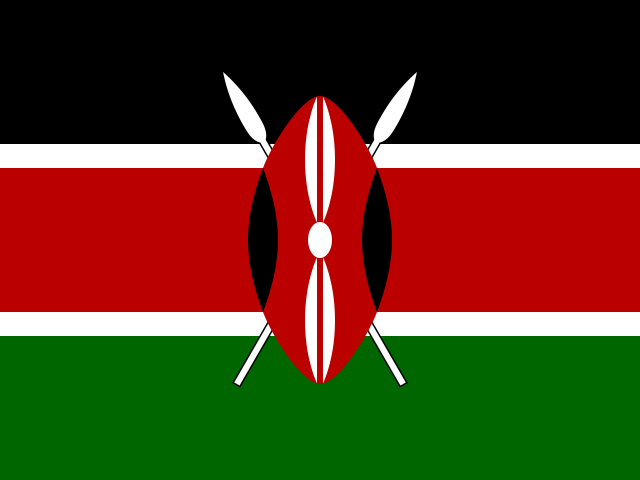
- Kenya: AWF’s birthplace, where it has implemented various programs focusing on the protection of iconic species such as elephants and rhinos. The organization works closely with local communities to promote conservation education and sustainable land use.
- Tanzania: In Tanzania, AWF focuses on the Serengeti ecosystem, collaborating with local stakeholders to mitigate human-wildlife conflict and enhance wildlife corridors. The organization also supports community-based tourism initiatives that benefit both wildlife and local economies.
- Uganda: AWF plays a crucial role in the conservation of Uganda’s mountain gorillas and other endangered species. Through habitat restoration and community engagement, AWF aims to create a sustainable coexistence between wildlife and human populations.
- South Africa: In South Africa, AWF is involved in anti-poaching efforts and the protection of endangered species, while also promoting ecotourism as a means of generating revenue for conservation efforts.
- Rwanda: AWF supports initiatives aimed at conserving the unique biodiversity of Rwanda, particularly in the Volcanoes National Park, home to the critically endangered mountain gorillas.
🚀 Key Activities and Programs
AWF has developed several key initiatives aimed at addressing the multifaceted challenges of wildlife conservation. One of its flagship programs is the African Elephant Initiative, which focuses on protecting elephant populations across the continent through anti-poaching efforts, habitat conservation, and community engagement. This initiative has led to the establishment of wildlife corridors that facilitate safe migration routes for elephants, reducing human-wildlife conflict.
Another significant program is the Lion Recovery Fund, which aims to double the number of lions in Africa by 2050. AWF works with local communities to implement strategies that protect lion habitats, mitigate conflicts with livestock, and promote conservation awareness. This program has seen success in various regions, leading to increased lion populations and improved community attitudes towards wildlife.
AWF also emphasizes the importance of community involvement in conservation through its Community Conservation Program. This initiative empowers local populations by providing training and resources for sustainable livelihoods, such as eco-friendly agriculture and tourism. By involving communities in conservation efforts, AWF fosters a sense of ownership and responsibility towards wildlife protection.
📊 Key Performance Indicators
While specific financial data may vary, AWF has consistently reported significant investments in conservation projects across Africa. The organization has raised millions of dollars through grants, donations, and partnerships, enabling it to implement impactful programs. AWF’s headcount ranges from 100 to 200 dedicated professionals who work tirelessly to achieve its conservation goals. In terms of social impact, AWF has contributed to the protection of thousands of elephants, lions, and other endangered species, while also improving the livelihoods of numerous communities through sustainable development initiatives. The organization’s efforts have led to increased awareness and engagement in wildlife conservation, making it a pivotal player in the fight to preserve Africa’s natural heritage.