
Log In
Sign Up

About Us
Overview
Trademark Africa (TMA) is a pioneering organization established in 2013 with the mission to promote trade and economic growth across the African continent. With its headquarters in Nairobi, Kenya, TMA was born out of the need to address the challenges faced by African countries in enhancing their trade competitiveness. The organization aims to facilitate trade by reducing barriers, improving infrastructure, and enhancing the capacity of local businesses. Over the years, TMA has evolved into a significant player in the trade landscape of Africa, working collaboratively with governments, private sector stakeholders, and civil society to foster an environment conducive to trade.
With a vision to create a prosperous Africa through enhanced trade, TMA has implemented numerous initiatives that have had a profound impact on the economies of various African nations. The organization operates in multiple countries, focusing on key areas such as trade facilitation, infrastructure development, and capacity building. TMA’s strategic approach includes leveraging technology and innovation to streamline trade processes and improve access to markets for small and medium enterprises (SMEs). By fostering partnerships and encouraging regional integration, TMA has positioned itself as a catalyst for sustainable economic growth and development across the continent.
📌 Company Fact Sheet
- Founding Year: 2013
- Estimated Company Size (Headcount): 100-200 employees
- Main Business Sectors: Trade Facilitation, Economic Development, Infrastructure Development
🌍 Countries of Operation (Africa)
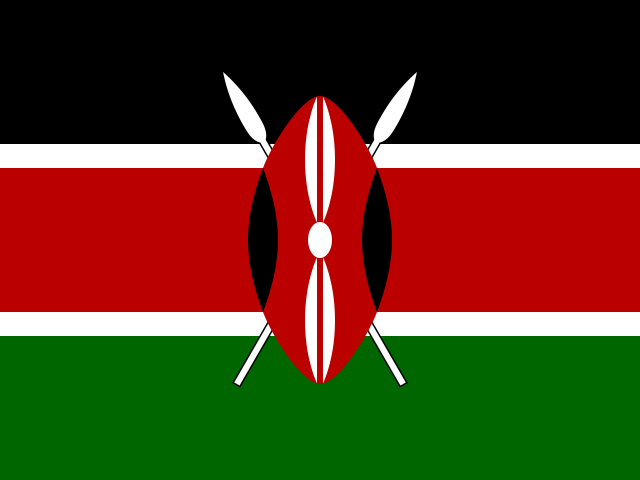
- Kenya: TMA has played a crucial role in enhancing trade logistics and infrastructure, including the development of the Nairobi Inland Container Depot, which has significantly improved cargo handling efficiency.
- Tanzania: In Tanzania, TMA has focused on improving cross-border trade through initiatives that streamline customs procedures and enhance the capacity of local traders.
- Uganda: TMA has supported Uganda in developing trade policies that promote regional integration and has facilitated training programs for SMEs to enhance their competitiveness.
- Rwanda: In Rwanda, TMA has collaborated with the government to improve trade facilitation measures, including the implementation of the Single Window System for trade documentation.
- South Sudan: TMA has engaged in capacity building efforts in South Sudan, focusing on trade policy development and enhancing the skills of local traders.
- Burundi: TMA has worked with stakeholders in Burundi to improve trade infrastructure and promote regional trade agreements that benefit local businesses.
🚀 Key Activities and Programs
TMA’s flagship initiative is the Trade Facilitation Program, which aims to reduce the time and cost of trading across borders. This program includes the implementation of the Single Window System, which allows traders to submit all trade-related documents electronically, thereby simplifying the process and reducing delays. Additionally, TMA has established the Trade Information Portal, a comprehensive online platform that provides traders with vital information on tariffs, regulations, and market opportunities.
Another significant program is the Capacity Building Initiative, which focuses on training and empowering SMEs to enhance their trade capabilities. Through workshops, mentorship programs, and access to financial resources, TMA equips local businesses with the skills and knowledge necessary to compete in regional and international markets. This initiative has been instrumental in increasing the participation of women and youth in trade, thereby promoting inclusive economic growth.
TMA also engages in Infrastructure Development Projects, where it collaborates with governments and private sector partners to improve transport and logistics infrastructure. This includes upgrading roads, railways, and ports to facilitate smoother trade flows. By addressing infrastructure bottlenecks, TMA contributes to reducing trade costs and enhancing the overall competitiveness of African economies.
📊 Key Performance Indicators
Trademark Africa has made significant strides since its inception, with numerous key performance indicators highlighting its impact. The organization has facilitated over $1 billion in trade across the region, contributing to economic growth and job creation. TMA has invested heavily in infrastructure projects, with funding exceeding $300 million directed towards enhancing trade logistics. The organization employs approximately 100-200 staff members, who are dedicated to driving trade initiatives across multiple African nations. Socially, TMA’s programs have empowered thousands of SMEs, with a particular focus on women and youth, fostering inclusive economic development and improving livelihoods across the continent.